
Dengue Fever Treatment in Chittagong: Symptoms, Fluids, Warning Signs & When to See a Doctor
Dengue fever is a mosquito-borne viral infection that may present with varying degrees of severity, ranging from a mild form of the disease to severe dengue requiring hospitalization. Recognizing the symptoms, staying hydrated and being vigilant about warning signs are critical for favorable outcomes.
For people seeking dengue fever treatment in Chittagong, knowing what to drink, what to avoid and when to see a doctor is essential.
As recommended by the World Health Organization (WHO), there is no specific treatment for dengue fever. The care provided aims to alleviate the symptoms of the disease while ensuring that the patient stays hydrated and receives the required supervision.
Symptoms of Dengue Fever
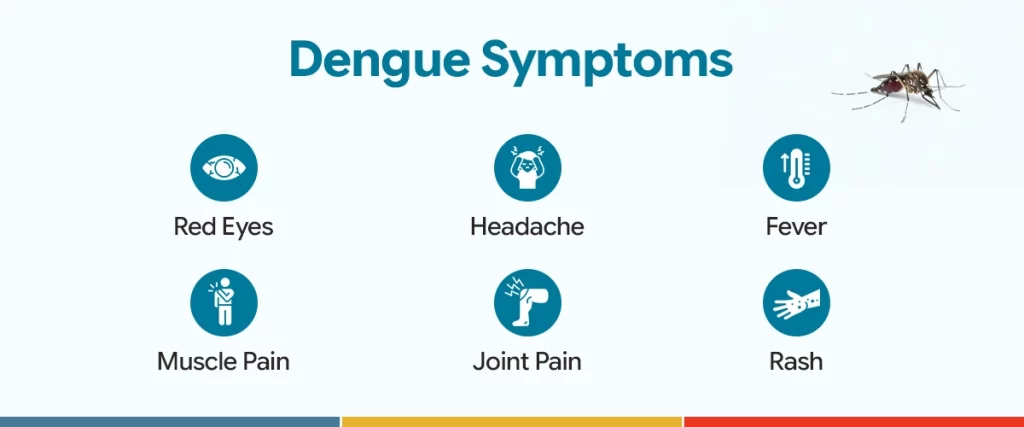
Dengue fever is characterized by an incubation period, which usually lasts a few days. The most common symptoms of dengue fever include:
- High fever
- Severe headache
- Eye pain
- Muscle and joint pain
- Nausea or vomiting
- Skin rash
- Fatigue or weakness
- Bleeding from the gums or nose in severe cases
The WHO notes that dengue symptoms tend to persist for several days, and patients should remain under supervision because severe dengue can occur even when the fever is already gone.
What to Drink and What to Avoid
One of the most common recommendations when managing dengue fever is to stay hydrated.
The infographic that accompanies this article indicates some of the common fluids that can be taken when one is suffering from dengue fever.
These include:
- Water
- ORS (Oral Rehydration Solution)
- Coconut water
- Thin soup
- Rice starch water
- Yogurt or milk drinks
- Fresh fruit juice
It is preferable to take small sips of fluid frequently rather than large volumes, especially if one is experiencing vomiting or nausea. In addition, one should always seek medical advice before taking any medication, including those purchased over the counter.
The amount of fluid to be taken differs from one individual to another and should be determined by the doctor. Some of the factors that the medical professional will consider include age, weight, vomiting, and urine output among others. According to the WHO, fluid intake should be encouraged for patients who can tolerate it, whereas those who cannot should be admitted to the hospital.
Reasons to Avoid Taking Too Much Fluid
In most cases, more fluids are not better, and one should avoid taking fluids in certain conditions, including heart disease, kidney disease, and liver disease.
For example, according to the WHO dengue guidelines, intravenous fluids should only be administered during severe dengue and at the lowest possible rate to maintain good circulation and sufficient urine production. Therefore, people with heart, kidney, or liver disease should speak with their doctor about the most suitable amount of fluid for them instead of trying to increase their intake on their own.
Treatment for Dengue Fever
There is no particular medication to treat dengue fever. Instead, the treatment is mainly supportive and depends on the patient’s symptoms.
1. Fluid Replacement
Unless the patient presents with warning signs, those suffering from dengue fever are advised to continue taking fluids as tolerated. A doctor may recommend that the patient takes water, ORES, or other fluids.
On the other hand, the medical professional might advise the patient to start receiving fluids intravenously if oral fluid intake is insufficient or if the patient’s condition starts deteriorating.
2. Controlling Fever and Pain
The WHO recommends that patients with dengue fever should take paracetamol to control high fever and pain. On the other hand, one should avoid medications such as aspirin and ibuprofen because they can cause complications, including internal bleeding.
3. Monitoring
It is always advisable to speak with a medical professional about the best way to monitor the situation, especially since each patient presents differently. In most cases, monitoring a person with dengue fever consists of:
- Taking the temperature regularly
- Checking fluid intake and urine output
- Measuring blood pressure and pulse
- Having regular blood tests to check the platelet count, hemoglobin, and other relevant indicators
- Testing kidney and liver function, if necessary
- Those presenting with warning signs should be hospitalized and closely monitored in the hospital.
Children and Dengue Fever
Children with dengue fever require special attention because of the risks that they face. For starters, children are more likely to experience severe dengue than adults. Parents or caregivers should encourage them to consume fluids as advised by their doctor. Caregivers should also remain alert to the following warning signs and seek emergency medical attention when necessary:
- Persistent vomiting
- Increased weakness or unusual sleepiness
- Abdominal pain
- Difficulty breathing
- Bleeding
- Reduced urine output
- Inability to drink fluids owing to mouth sores or sore throat
The amount of fluid that a child should take depends on their age, weight, vomiting, and urine output. As such, caregivers should not try to estimate the fluid requirements on their own. Instead, they should speak with their doctor about the best course of action.
Dengue Fever and Existing Heart, Kidney or Liver Disease
In most cases, dengue fever affects people with existing kidney disease, heart disease, or liver disease in more severe ways. In addition, people with these conditions may have to make some adjustments to their treatment plans in order to manage dengue fever. As such, they should speak with their doctor about making the necessary changes to their treatment plan.
Dengue Fever and Heart Disease
Individuals presenting with heart disease are not advised to increase their fluid intake unnecessarily. The amount of fluid that such people should consume depends on their weight and kidney function. In addition, heart disease patients should not increase their fluid intake beyond recommended levels, and should ensure that they are receiving treatment for any other conditions that they might be experiencing.
Dengue Fever and Kidney Disease
People with kidney disease should always consult their nephrologist for advice on the best way to manage dengue fever. This is important because patients suffering from both kidney disease and dengue fever are more likely to experience severe complications than those experiencing just one of the two.
Individuals with kidney disease should be especially wary of changes to their urine output, kidney function, electrolytes, and fluid balance.
Dengue Fever and Liver Disease
Like with other conditions, people with liver disease and dengue fever should speak with their doctor about the best way to manage both diseases. In most cases, patients with liver disease and dengue fever will need additional or more specialized care depending on the severity of their liver disease. Patients with severe liver disease should consult a doctor before making any changes to their fluid intake.
Warning Signs of Severe Dengue Fever
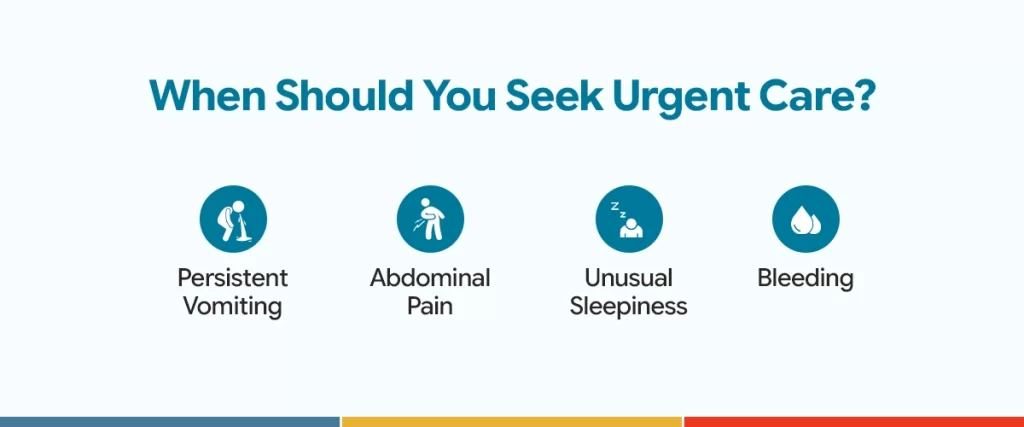
Severe dengue fever is a potentially life-threatening complication of dengue fever. Knowing the warning signs is critical and can help one seek medical attention at the appropriate time. Some of the most common warning signs of severe dengue fever include:
- Severe abdominal pain or distension
- Persistent vomiting
- Bleeding from the gums or nose
- Vomit or stool that looks like coffee grounds
- Rapid breathing
- Extreme weakness or irritability
- Cold, pale, or clammy skin
- Fluid around the lungs or abdomen
- Reduced urine output
- Changes in behavior or unusual drowsiness
The WHO and the Center for Disease Control and Prevention (CDC) have developed a list of warning signs for severe dengue fever. It is important to note that a drop in fever does not necessarily mean that the dengue fever is resolving on its own. In fact, the WHO notes that the critical phase of the disease often occurs when the fever begins to decrease.
When to Go to the Hospital
Going to the hospital becomes necessary when an individual presents with any of the warning signs mentioned above or develops any complications related to dengue fever. In addition, one should always visit the hospital if one is unsure what to do. Sometimes, a doctor might advise hospitalization if an individual’s condition requires more specialized care. Similarly, patients with severe dengue fever may require admission to the Intensive Care Unit or a blood transfusion.
Those seeking dengue fever treatment in Chittagong should always go to the hospital if a high-risk condition develops, including severe dengue fever, kidney disease, heart disease, liver disease, pregnancy, or any other condition.
How to Prevent Dengue Fever
Currently, there is no vaccine for dengue fever. As such, the only way to prevent the disease is to avoid mosquito bites or reduce the number of breeding sites for the mosquitoes that carry the dengue virus. Some of the most effective ways of preventing dengue fever include:
- Using mosquito repellents
- Wearing long-sleeved clothes and long pants when outdoors
- Avoiding being outdoors when the mosquitoes are most active
- Using mosquito nets when sleeping
- Putting up screens on windows and doors, where applicable
- Destroying any stagnant water that could serve as a breeding ground for mosquitoes
- Keeping water in clean containers with proper covers
As mentioned above, the mosquitoes that carry the dengue virus are most active during the day. As such, it is critical to take precautions even during the day.
Dengue Fever Treatment in Chittagong at Apollo Imperial Hospitals
Apollo Imperial Hospitals offers outpatient and inpatient medical services in Chattogram. Its Outpatient Department (OPD) provides a wide range of medical services, including Internal Medicine, Pediatrics & Neonatology, Critical Care Medicine, Nephrology, Gastroenterology, and many other services. Therefore, patients can visit Apollo Imperial Hospitals for consultation in any of these areas.
Inpatient healthcare services are also available through the Inpatient Department (IPD) at Apollo Imperial Hospitals, which has a range of critical-care beds. Patients that require any of these services can find more information on the Apollo Imperial Hospitals website.
For those seeking dengue fever treatment in Chittagong, it is recommended that they first schedule a consultation to determine the most appropriate form of care. One can also learn more about Apollo Imperial Hospitals’ inpatient and outpatient services to get an understanding of how the consultation and admission process works.
Final Remarks
Dengue fever is a serious illness that requires constant monitoring because a patient’s condition can change, especially when the fever starts to subside. Following the treatment and prevention guidelines is essential in order to ensure that the dengue fever does not turn into severe dengue or lead to other complications. If one or someone one knows develops dengue fever, it is best to speak with a qualified medical professional to get appropriate medication and treatment. In addition, one should be wary of self-medicating or taking excessive fluids on the advice of a layperson, especially if there are other underlying problems. For those seeking dengue fever treatment in Chittagong, the medical staff will be able to determine what to do based on the patient’s age, weight, and other factors.
FAQs
What is the treatment for dengue fever?
There is no specific medicine that cures dengue fever. Treatment is mainly supportive and focuses on maintaining hydration, controlling fever and pain, and monitoring the patient for warning signs or complications.
What should I drink during dengue fever?
Patients who can tolerate fluids may take water, ORS, coconut water, thin soup, rice starch water, yogurt or milk drinks, and fresh fruit juice. Small, frequent sips may be easier if there is nausea or vomiting. Fluid requirements should be determined by a doctor.
Which medicines should be avoided during dengue fever?
Aspirin and ibuprofen should generally be avoided because they can increase the risk of bleeding. The blog notes that paracetamol is recommended by the WHO for controlling fever and pain.
What are the warning signs of severe dengue fever?
Warning signs include severe abdominal pain, persistent vomiting, bleeding, rapid breathing, extreme weakness, cold or clammy skin, reduced urine output, unusual drowsiness, and fluid accumulation around the lungs or abdomen. These symptoms require prompt medical attention.
When should I go to a hospital for dengue fever treatment in Chittagong?
You should seek hospital care if warning signs or complications develop. Hospital evaluation is also particularly important for people with conditions such as kidney, heart or liver disease, pregnancy, or severe dengue. Apollo Imperial Hospitals provides outpatient and inpatient services for patients requiring medical care in Chattogram.
Dr. Safayat Bin Amin
MBBS (CMU)
Diploma in Public Health and Diploma in Immunology