
Best Anesthesiologist in Chittagong

Before an operation, patients often have as many questions about anesthesia as they do about surgery. Will I be asleep? Will I feel anything? Does my heart condition make it more complicated?
These are questions for the anesthesiologist, the doctor responsible for planning your anesthesia and managing your breathing, circulation, and comfort during the procedure. Their work starts before surgery and continues into recovery.
If you are looking for the best anesthesiologist in Chittagong, Apollo Imperial Hospitals has consultants in anesthesiology and cardiac anesthesia, bringing experience to the care of patients undergoing surgical procedures in Chattogram.
Our Anesthesiology consultants

Dr. Md. Kamrul Hasan, Senior Consultant in Anesthesiology, holds MBBS and DA, with more than 30 years of experience.
Dr. Md. Rashedul Hasan, Consultant in Cardiac Anesthesia, holds MBBS, Diploma in Anesthesiology, and FCA, with more than 12 years of experience.
DA stands for Diploma in Anesthesiology. Cardiac anesthesia focuses on the particular demands of heart surgery, where the patient’s circulation and heart function require close attention throughout the operation.
Together, they give patients access to the best anesthesiologist in Chittagong for both general and cardiac procedures.
What an Anesthesiologist does
Knowing what the role involves helps you prepare for your consultation with the best anesthesiologist in Chittagong.
An anesthesiologist assesses how your health and the proposed operation affect your anesthesia needs. Two patients having the same surgery may need different plans because of their age, medical conditions, medicines, or previous experience with anesthesia.
During the procedure, the anesthetic team monitors you and adjusts treatment as needed. General anesthesia makes you unconscious and prevents you from feeling the operation. Other approaches numb a particular area or help you relax, depending on what the procedure requires.
The consultation is also an opportunity to explain what worries you. A previous difficult recovery, severe nausea, or an unpleasant experience with needles is relevant information.
Understanding the different types of anesthesia
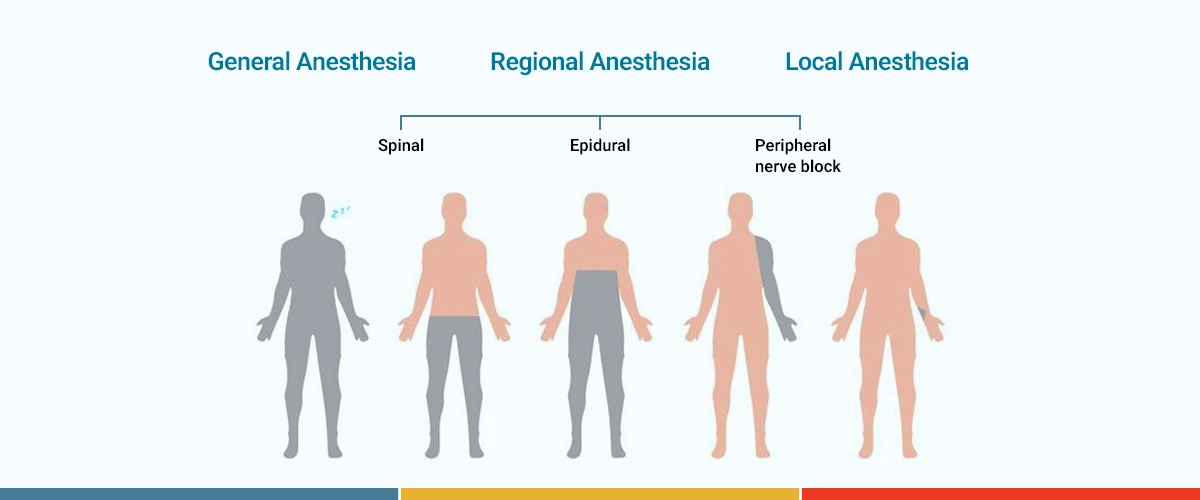
The appropriate technique depends on the operation and your individual assessment. Your anesthesiologist will explain which options are suitable.
General anesthesia is a controlled state of unconsciousness used for many major operations. The anesthetic team manages the medicines and any breathing support needed during the procedure.
Regional anesthesia numbs a larger area of the body. Spinal anesthesia, epidural anesthesia, and certain nerve blocks are examples. Depending on the procedure, it may be used on its own or alongside other anesthesia techniques.
Local anesthesia numbs a small area, such as the site of a minor procedure. You usually remain awake.
Sedation helps you feel calmer and less aware of a procedure. Its depth varies, and it is different from general anesthesia.
These explanations describe the main approaches. The team will confirm the technique available and appropriate for your planned treatment.
Assessment before surgery
A useful anesthesia assessment begins with a clear medical history. Tell the team about:
- Heart disease, high blood pressure, diabetes, or breathing problems;
- Kidney or liver disease;
- Allergies and previous reactions to medicines;
- Previous operations and any difficulties with anesthesia;
- All prescribed medicines, supplements, and herbal products;
- Loose teeth, dentures, or other dental concerns.
Bring your prescriptions and relevant reports. Depending on the operation and your health, the team may request investigations before proceeding.
Follow the specific instructions you receive about eating, drinking, and taking medicines before surgery. Do not stop regular treatment or decide on fasting times yourself.
Cardiac anesthesia and coordinated care
Heart surgery brings together the surgeon, cardiac anesthesiologist, perfusionist, operation theatre nurses, and critical care team. Each has a different responsibility, but their decisions must work together.
Apollo Imperial Hospitals lists a dedicated Consultant in Cardiac Anesthesia alongside its anesthesiology service. The hospital’s cardiac surgery facilities include two dedicated cardiac operation theatres and a 24-bed Cardiac ICU with step-down beds.
For the patient, this coordination matters beyond the operation itself. The team must also plan the level of monitoring and support needed afterwards.
Recovery after anesthesia
After an operation, the immediate priorities include monitoring your recovery and treating discomfort or nausea. Some people feel drowsy or sick as the anesthetic wears off. Tell the recovery team how you feel so they can assess and help you.
Ask what to expect after your particular procedure, including when you can eat, drink, walk, and return home. Recovery instructions depend on both the anesthesia and the surgery.
Book an Appointment with the Best Anesthesiologist in Chittagong
To consult the best anesthesiologist in Chittagong for a planned operation, ask your treating team how to arrange the pre-anesthesia assessment. Contact the hospital to confirm consultant availability and appointment arrangements.
- For appointments and information: +880 9610 847 847
- For 24-hour emergency service: +880 9610 833 833
- Address: 2158/A, Zakir Hossain Road, Khulshi, Chattogram
- Website: www.aihlbd.org
FAQs
Who are the anesthesiology consultants at Apollo Imperial Hospitals?
Patients seeking the best anesthesiologist in Chittagong can consult Dr. Md. Kamrul Hasan, Senior Consultant in Anesthesiology, with more than 30 years of experience. Dr. Md. Rashedul Hasan is Consultant in Cardiac Anesthesia, with more than 12 years of experience.
Will I need general anesthesia for every operation?
No. Some procedures can be performed using local or regional anesthesia, sometimes with sedation. The appropriate choice depends on the procedure and your assessment.
Can I discuss concerns about anesthesia before surgery?
Yes. The pre-anesthesia assessment is the appropriate time to discuss your medical history, previous experiences, and concerns about the planned anesthesia.
What should I bring to the assessment?
Before meeting the best anesthesiologist in Chittagong, bring your prescriptions, relevant investigation reports, allergy information, and any records of previous anesthesia complications.
Does Apollo Imperial Hospitals have a cardiac anesthesiologist?
Yes. Dr. Md. Rashedul Hasan is listed as Consultant in Cardiac Anesthesia.
Dr. Safayat Bin Amin
MBBS (CMU)
Diploma in Public Health and Diploma in Immunology