
Best Psychiatrist in Chittagong | Apollo Imperial Hospitals

A mental health problem does not always begin with a clear name. It may start with poor sleep, constant worry, a loss of interest in everyday life, or changes in behaviour that family members notice first.
Explaining those changes can be difficult. A useful consultation gives you time to describe what has been happening and how it affects your life.
If you are looking for the best psychiatrist in Chittagong, Apollo Imperial Hospitals provides assessment and treatment for emotional, behavioural, and cognitive concerns through its Mental Health department, with psychiatric consultation and psychological support.
Our mental health consultant
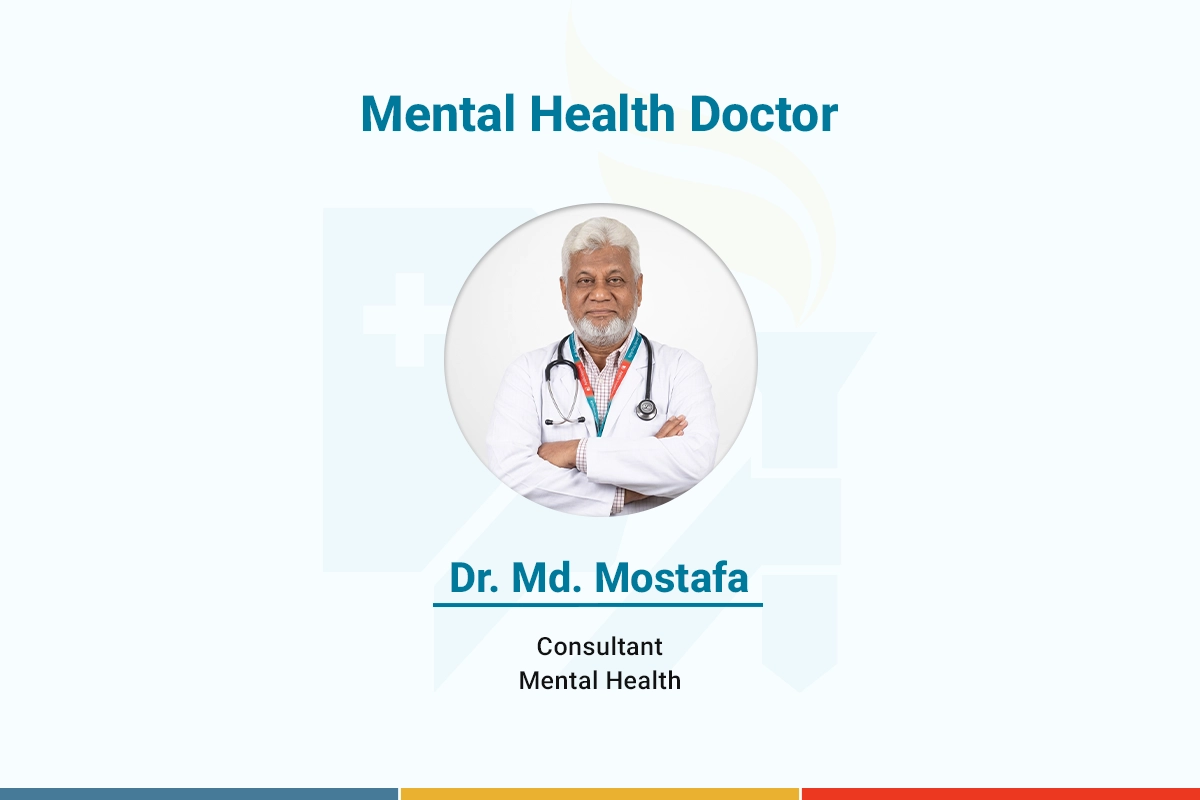
Dr. Md. Mostafa, Consultant in Mental Health, holds MBBS from Chittagong Medical College and MCPS in Psychiatry, with more than 43 years of experience.
A psychiatrist is a medical doctor who assesses mental health alongside physical health and personal circumstances. The consultation considers symptoms, previous experiences, relationships, and other factors that may influence the problem.
Conditions we treat
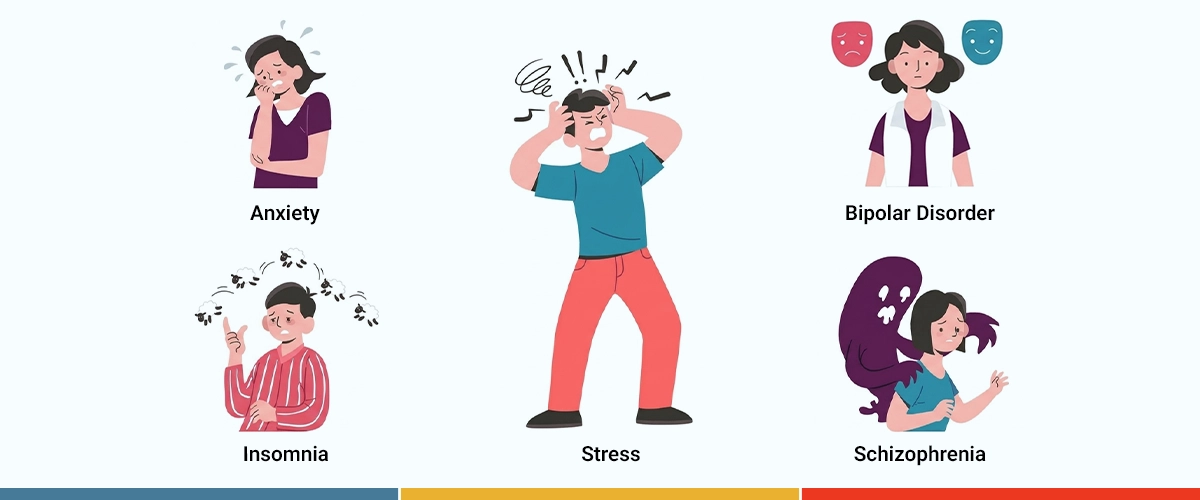
The Mental Health department provides care for a range of psychiatric conditions, including:
- Anxiety disorders;
- Depression;
- Bipolar disorder;
- Schizophrenia;
- Addiction disorders;
- Psychosomatic concerns involving the relationship between physical symptoms and psychological health.
The department also assesses emotional, behavioral, and cognitive difficulties across different age groups.
Patients do not need to identify their diagnosis before attending. Describing the problem in your own words is enough to begin the assessment.
Care beyond the consultation
Mental health treatment can involve more than one professional. The department’s stated multidisciplinary team includes psychiatrists, clinical psychologists, counselling psychologists, psychotherapists, occupational therapists, special educators, and art therapists.
Services include therapeutic support for individuals, couples, families, and groups. The appropriate professional and format depend on the person’s needs; the department can confirm availability when arranging care.
For one patient, the priority may be understanding symptoms and beginning treatment. For another, it may be managing daily activities, addressing family difficulties, or building practical coping skills.
What happens at a psychiatric assessment?
The assessment is a conversation about your symptoms and the circumstances around them. It may cover sleep, mood, thoughts, behavior, physical health, medication, substance use, relationships, and safety.
You can prepare by noting when the problem began, what has changed, and what you most want help with. Bring details of previous treatment and any medicines you take. A trusted person may be helpful if you would like support during the appointment.
The assessment should lead to an explanation you can understand and an opportunity to discuss treatment choices.
How treatment is planned
Our department places emphasis on listening, patient education, and involving patients in their care. The treatment plan is shaped by the diagnosis, the effect on everyday life, previous treatment, and the patient’s preferences.
Depending on the assessment, care may involve medication, psychological therapy, practical support, or a combination. Follow-up allows the clinician to review progress, discuss difficulties, and adjust the plan when needed.
Ask what the proposed treatment is intended to help with, what its possible disadvantages are, and when it should be reviewed. Understanding these points helps you take part in decisions about your care.
Support for patients and families
Families often want to help but are unsure what to say or do. They may also need an explanation of the condition and the treatment plan.
Apollo Imperial Hospitals identifies patient and family education as part of its approach, alongside empathetic support and a comfortable environment for discussion.
Family involvement should take account of the patient’s wishes, privacy, and clinical needs. Patients should also have the opportunity to raise concerns they find difficult to discuss in front of others.
When to seek help
Consider arranging an assessment when changes in mood, worry, sleep, thinking, or behavior are affecting work, study, relationships, or daily responsibilities. You do not have to wait until the situation becomes a crisis.
If there is an immediate danger to the person’s safety or someone else’s, seek urgent medical attention rather than waiting for a routine consultation.
Book an appointment
Contact the hospital to confirm Dr. Md. Mostafa’s consultation schedule and the availability of psychological or other therapy services.
Bring previous prescriptions and relevant records. If it is easier, write down your main concerns before the visit and bring the notes with you.
- For appointments and information: +880 9610 847 847
- For 24-hour emergency service: +880 9610 833 833
- Address: 2158/A, Zakir Hossain Road, Khulshi, Chattogram
- Website: www.aihlbd.org
Frequently asked questions
Who provides psychiatric consultations at Apollo Imperial Hospitals?
Dr. Md. Mostafa is Consultant in Mental Health. He holds MBBS from Chittagong Medical College and MCPS in Psychiatry, with more than 43 years of experience.
Do you treat depression and anxiety?
Yes. Depression and anxiety disorders are included in the department’s scope of care, alongside bipolar disorder, schizophrenia, and addiction disorders.
Is mental health treatment always medication?
No. Treatment depends on the assessment and may involve psychological therapy, medication, practical support, or a combination.
Can family members attend?
A family member may be helpful for support and sharing relevant information, with appropriate attention to the patient’s wishes and privacy.
Are individual and family therapy services included?
The department lists therapeutic interventions for individuals, couples, families, and groups. Contact the hospital to confirm the appropriate service and appointment availability.
Dr. Safayat Bin Amin
MBBS (CMU)
Diploma in Public Health and Diploma in Immunology