
Blood Culture Test in Chittagong: Purpose, Procedure, Preparation & Results
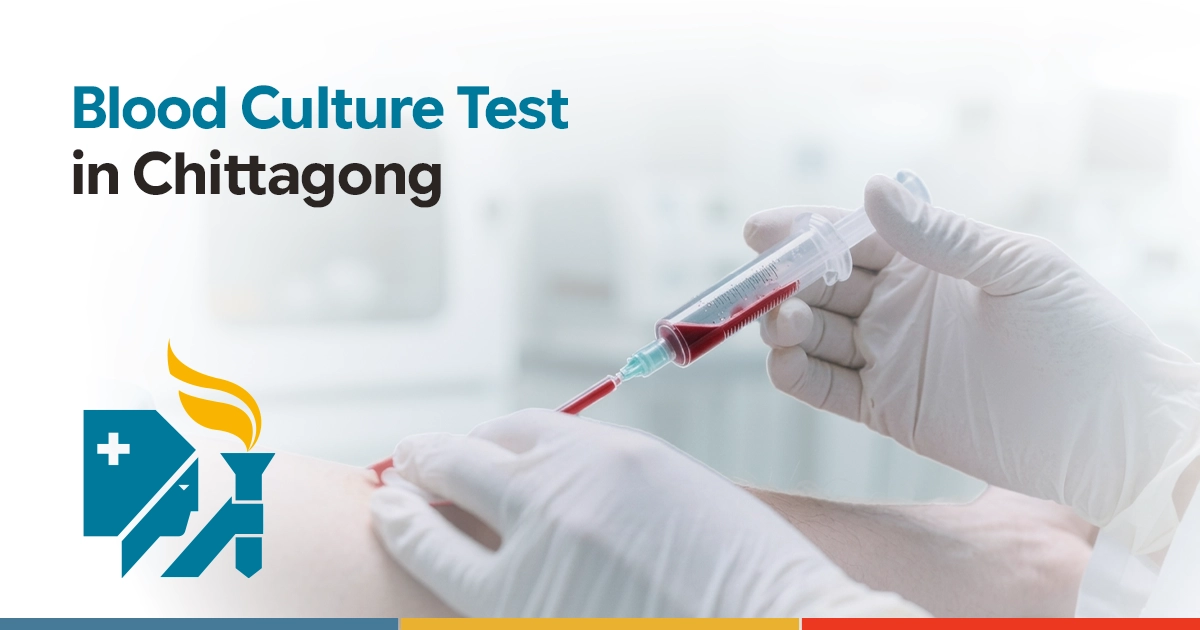
A bloodstream infection can become serious if it is not diagnosed and treated promptly. When bacteria or fungi enter the bloodstream, they may spread throughout the body and cause complications such as sepsis. A Blood Culture Test helps doctors identify these microorganisms and make informed decisions about treatment.
If you are looking for a Blood Culture Test in Chittagong, understanding why the test is recommended, how it is performed and what the results mean can help you feel more prepared.
What Is a Blood Culture Test?
A Blood Culture Test is a laboratory investigation used to detect bacteria or fungi in a blood sample. These microorganisms may enter the bloodstream from an infection elsewhere in the body, such as the lungs, urinary tract, skin or abdomen.
During the test, a blood sample is collected and placed into special culture bottles. These bottles provide an environment where microorganisms, if present, can grow. Laboratory professionals then examine the samples to identify the organisms responsible for the infection.
Doctors may also recommend additional tests to determine which antibiotics are most effective against the identified bacteria.
Why Is a Blood Culture Test Important?
A Blood Culture Test is an important diagnostic tool for detecting bloodstream infections. It can help doctors:
- Identify bacteria or fungi present in the bloodstream.
- Investigate suspected sepsis or serious infections.
- Determine the appropriate antimicrobial treatment.
- Evaluate infections that are not responding to initial treatment.
- Support clinical decisions when a patient has unexplained or persistent fever.
Early diagnosis can help healthcare professionals make timely treatment decisions and reduce the risk of complications.
When Do Doctors Recommend a Blood Culture Test?
Doctors may recommend a Blood Culture Test when a patient shows signs or symptoms that suggest a bloodstream infection.
Common situations include:
- Persistent or unexplained fever.
- Fever accompanied by chills or shivering.
- Suspected sepsis.
- Rapid heartbeat or breathing.
- Low blood pressure associated with suspected infection.
- Severe infection that is not responding to treatment.
- Suspected infection in patients with weakened immune systems.
However, these symptoms do not always indicate a bloodstream infection. A doctor will assess the patient’s condition and decide whether a Blood Culture Test or other investigations are necessary.
How Is a Blood Culture Test Performed?

A Blood Culture Test is generally performed through a blood collection procedure. The process usually involves the following steps:
1. Preparation of the Collection Area
A healthcare professional cleans the selected area of the skin with an antiseptic solution to reduce the risk of contamination.
2. Blood Sample Collection
Blood is collected from a vein using a sterile needle. Depending on the patient’s condition and the doctor’s instructions, samples may be collected from different sites.
3. Placement in Culture Bottles
The collected blood is transferred into specially designed culture bottles that help microorganisms grow if they are present.
4. Laboratory Examination
The bottles are monitored in the laboratory for signs of microbial growth. If microorganisms are detected, further tests may be performed to identify them.
5. Result Interpretation
The laboratory findings are reviewed by healthcare professionals and interpreted by the treating doctor alongside the patient’s symptoms and other investigation results.
Is Any Preparation Required Before a Blood Culture Test?
In most cases, special preparation or fasting is not required before a Blood Culture Test. However, patients should follow their doctor’s instructions.
Some important points to remember include:
- Inform your doctor about any antibiotics or other medications you are taking.
- Tell the healthcare professional if you have any allergies or previous reactions to blood collection.
- Follow the instructions provided by the hospital or diagnostic centre.
- If possible, blood samples are generally collected before starting antibiotic treatment, as antibiotics may affect the test results.
If a serious infection is suspected, emergency treatment should never be delayed just to collect a blood sample.
How Long Does It Take to Get Blood Culture Test Results?
The reporting time for a Blood Culture Test depends on whether microorganisms grow in the culture and whether additional identification or antibiotic susceptibility testing is required.
Initial findings may be available within 48–72 hours in some cases. However, final results can take several days, particularly when further laboratory testing is necessary.
For the most accurate information, ask the diagnostic facility about its current reporting timeline.
What Do Blood Culture Test Results Mean?
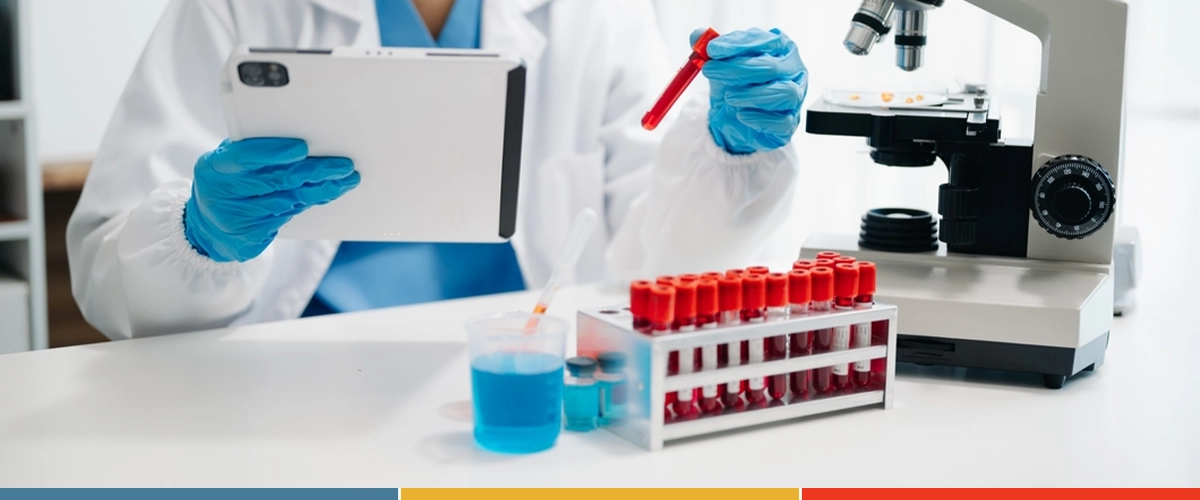
Blood Culture Test results are generally classified as positive or negative.
Positive Blood Culture Result
A positive result means that bacteria or fungi have grown in the culture. This may indicate the presence of microorganisms in the bloodstream.
Further laboratory testing may help identify the organism and determine which antimicrobial medicines are likely to be effective. However, some positive results may occur because of sample contamination, so the doctor must interpret the findings in the patient’s clinical context.
Negative Blood Culture Result
A negative result means that no microorganisms were detected in the culture during the testing period.
However, a negative result does not always completely rule out an infection. Previous antibiotic use, low levels of microorganisms or other factors may affect the findings. The doctor may recommend additional investigations if symptoms continue.
Where Can You Get a Blood Culture Test in Chittagong?
Choosing an appropriate healthcare facility is important when a doctor recommends a Blood Culture Test. Patients should consider laboratory facilities, sample collection procedures, professional support and access to medical consultation.
Apollo Imperial Hospitals is a healthcare institution in Chittagong offering a range of medical and diagnostic services. Patients who need information about Blood Culture Test availability, sample collection arrangements and reporting timelines can contact the hospital directly.
The hospital’s Department of Laboratory Medicine supports diagnostic investigations, including microbiology-related services. For test-specific information, patients should confirm the current availability and procedure with the hospital.
Why Choose Apollo Imperial Hospitals for Diagnostic Support?
Apollo Imperial Hospitals provides healthcare services supported by medical professionals and diagnostic facilities. Access to appropriate diagnostic investigations can help doctors assess a patient’s condition and plan further medical care.
When considering diagnostic services, patients may benefit from:
- Access to professional medical consultation.
- Laboratory support for diagnostic investigations.
- Guidance on sample collection and testing procedures.
- Medical evaluation to help interpret test findings.
- Support in determining appropriate next steps based on clinical needs.
For information about specific tests, availability and reporting schedules, contact Apollo Imperial Hospitals before visiting.
Conclusion
A Blood Culture Test plays an important role in identifying bacteria or fungi in the bloodstream and helping doctors determine appropriate treatment. It is particularly useful when a serious bloodstream infection or sepsis is suspected. Early diagnosis and proper medical evaluation can support timely treatment and help reduce the risk of complications.
If your doctor recommends a Blood Culture Test in Chittagong, contact Apollo Imperial Hospitals for information about test availability, sample collection and reporting procedures. Always consult a qualified healthcare professional to understand your symptoms and test results.
Frequently Asked Questions (FAQs)
What is a Blood Culture Test used for?
A Blood Culture Test is used to detect bacteria or fungi in the bloodstream. It helps doctors diagnose bloodstream infections and determine appropriate treatment.
Do I need to fast before a Blood Culture Test?
Usually, fasting is not required before a Blood Culture Test. However, patients should follow their doctor’s instructions before providing a sample.
How long does it take to get Blood Culture Test results?
Initial findings may be available within 48–72 hours in some cases. However, final results can take several days, depending on microbial growth and additional laboratory testing.
Can I take antibiotics before a Blood Culture Test?
Blood samples are generally collected before starting antibiotics, when possible, because antibiotics may affect test results. However, never delay emergency treatment to collect a sample. Always follow your doctor’s advice.
Where can I get a Blood Culture Test in Chittagong?
You can contact Apollo Imperial Hospitals in Chittagong to confirm Blood Culture Test availability, sample collection facilities and reporting procedures.
Dr. Safayat Bin Amin
MBBS (CMU)
Diploma in Public Health and Diploma in Immunology